
Understanding OKX English Version Trading Records
- 作者:佚名
- 来源:鸭鸭软件站
- 时间:2025-10-27
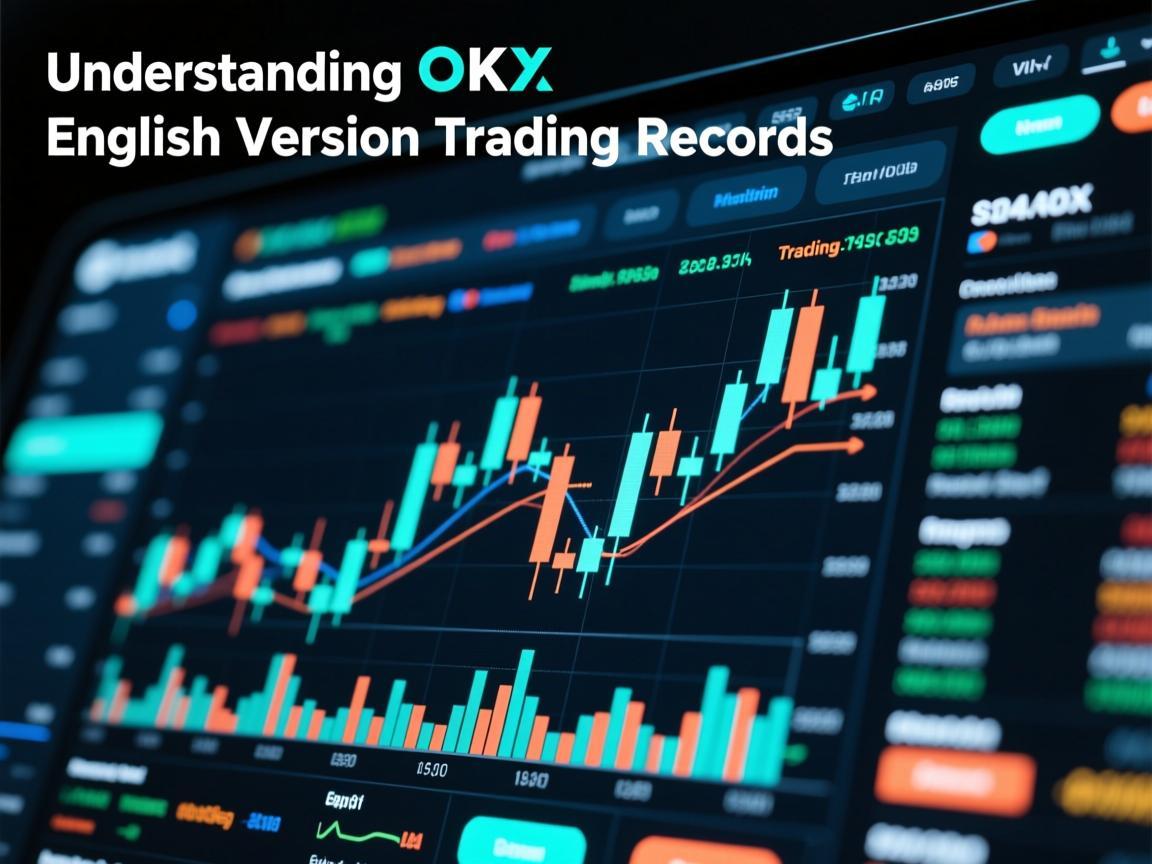
For traders navigating the global cryptocurrency market, OKX (formerly OKEx) stands out as a leading platform, and its English version caters extensively to international users. A key feature for any trader is the ability to access and analyze trading records, which serve as a critical tool for tracking performance, reviewing strategies, and ensuring compliance. Here’s a detailed look at OKX’s English version trading records and their significance.
Accessing Trading Records on OKX English Version
OKX’s English interface simplifies the process of retrieving trading records. Traders can log in to their accounts, navigate to the [Trade] or [Account] section, and select [Transaction History] or [Trade History]. Here, they can filter records by date range, asset pair (e.g., BTC/USDT, ETH/USDC), order type (market, limit, stop-loss), and transaction status (filled, canceled, pending). The platform also allows exporting data in CSV or PDF formats, enabling easy backup or integration with third-party analysis tools.
Key Details in Trading Records
Each entry in OKX’s trading records provides comprehensive information, including:
- Timestamp: Precise date and time of the trade, helping correlate market movements with decisions.
- Pair: The cryptocurrency pair involved (e.g., SOL/USDT for Solana against Tether).
- Type: Whether the trade was a buy (long) or sell (short), critical for P&L calculation.
- Price/Amount: The executed price and quantity of the asset, essential for assessing entry/exit efficiency.
- Fees: Transaction fees (taker/maker), which impact overall profitability.
- P&L: Realized profit or loss for each trade, displayed in the selected base currency (e.g., USD, EUR).
Why Trading Records Matter
For active traders, maintaining accurate records is non-negotiable. On OKX, these records facilitate:
- Performance Analysis: By reviewing historical trades, traders can identify patterns—such as which assets yield consistent returns or which strategies underperform.
- Tax Compliance: Many jurisdictions require detailed transaction histories for tax reporting. OKX’s exportable records streamline this process, ensuring accuracy and reducing audit risks.
- Risk Management: Tracking stop-loss executions, win rates, and drawdowns helps traders refine risk parameters and avoid emotional decision-making.
Best Practices for Managing Records
To maximize utility, traders should regularly reconcile OKX records with external wallets or portfolio trackers. Additionally, enabling two-factor authentication (2FA) and securing account access prevents unauthorized alterations to transaction history. For algorithmic traders, linking API keys to trading records can help debug bot performance by cross-referencing executed orders with strategy parameters.
In conclusion, OKX’s English version trading records are more than just a log of transactions—they are a foundational resource for disciplined trading. By leveraging the platform’s detailed, customizable, and exportable data, traders can enhance their strategy, ensure compliance, and ultimately improve their success in the dynamic crypto market.









人气排行
- 1 从TEE-Boost到CRVA:浅析TEE在区块链中的应用场景
- 2 怎么用代币在gate交易美股 Gate交易美股方法
- 3 inj币有投资价值吗?inj币值得购买吗?
- 4 gate.io提币地址在哪 gate.io提现地址入口链接
- 5 stas币怎么样?stas币未来发展前景如何
- 6 EOS冲提币,操作流程、风险与注意事项解析
- 7 Web3钱包真的会被盗吗 答案是,能,但往往不是钱包本身被攻破,而是用户的行为漏洞给了可乘之机
- 8 Gate上线xStocks专区现货与合约交易 xStocks专区现货与合约交易介绍
- 9 NFT市场降温,周销售额创6月中旬以来新低
- 10 首支现货质押型SolanaETF登场 现货质押型SolanaETF怎么交易